The people behind the calculations
Every rashifal, chart and article on this site is written and reviewed by our resident scholars — ten scholars of different ages, educations and temperaments, working from one desk and reading the same sky you do.
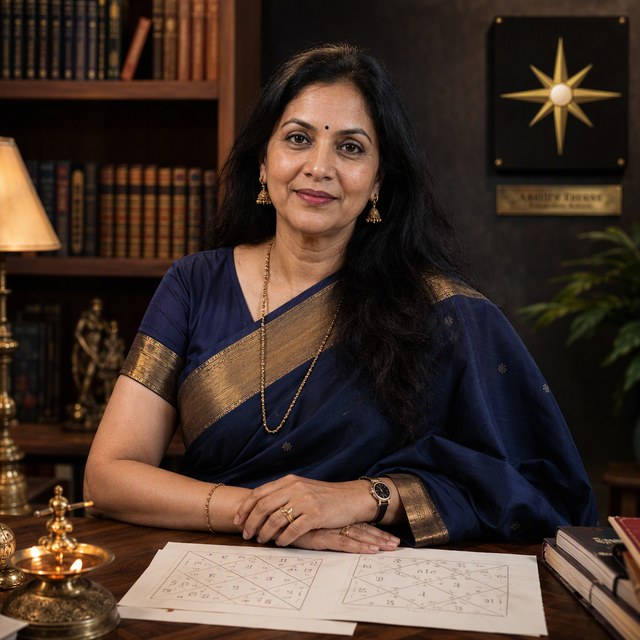
Dr. Ananya Sharma
Ananya grew up in a Varanasi family where the panchang was read before the newspaper. After a doctorate in jyotish she spent a decade consulting in New Delhi, reading over twelve thousand charts. She writes the Journal's nakshatra and dasha series, and is the strictest voice in the room when it comes to Manglik dosha — "check the cancellation rules before you check your fear."

Prof. Devang Joshi
Devang spent forty years with calendars before he spent one with horoscopes. A former philosophy professor from Pune, he learned panchang ganana — the arithmetic of tithis and nakshatras — from a traditional almanac family in Kolhapur. He now spends his retirement doing what he loves: translating the electional calendar for modern families who have twelve venue dates and one nervous bride. He writes about tithis, muhurtas and the quiet logic of the Hindu year.
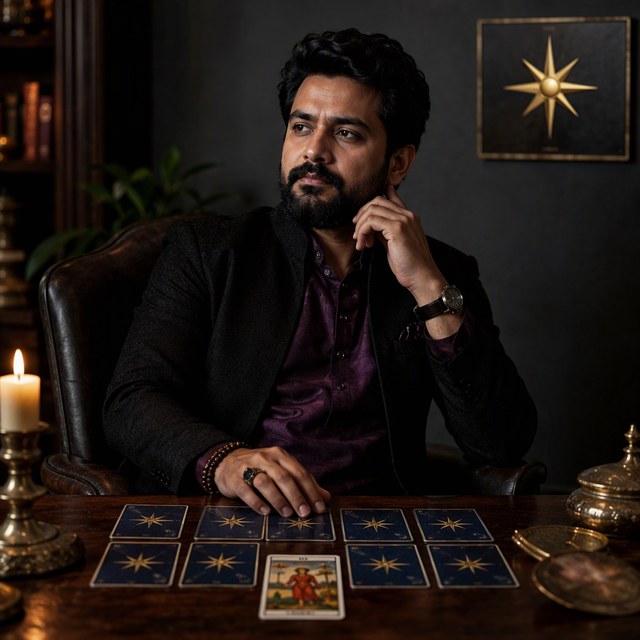
Dr. Kabir Mehta
Kabir splits his year between Mumbai and Goa, reading tarot professionally and writing on the quieter side of the sky — lunar tithis, retrogrades, the inner calendar. Twelve years of table work taught him that three honest cards beat ten flattering ones. His column translates ritual astronomy into practices a modern reader can actually keep. He is the Journal's voice for Rahu-Ketu, Saturn cycles and shadow transits.

Meera Krishnan
Meera is the youngest voice on the desk — and the one who asks "but what does the client feel?" at every editorial meeting. A Bengaluru psychology graduate, she pairs tarot spreads with basic counselling technique and writes the Journal's beginner guides: spreads, remedies that pass the psychology check, and the honest line between chart-reading and burnout. If Kabir reads the sky, Meera reads the person under it.
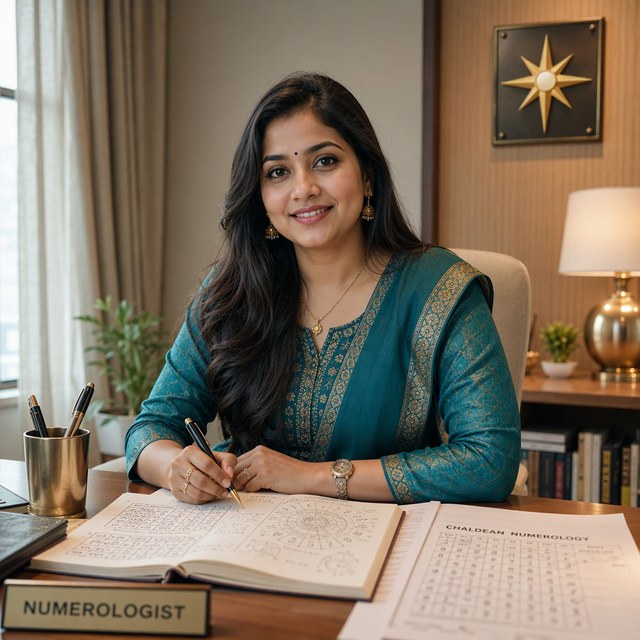
Priya Raghavan
Priya found numerology through mathematics and never looked back. A Chennai-based analyst with a master's in mathematics, she treats numbers the way her old professors treated theorems: test everything, publish only what survives. She writes the Journal's numerology column — Lo Shu grids, life paths, and the name-number debates that Indian families still have at naming ceremonies. Her rule: a number should describe you, not frighten you.

Dr. Lakshmi Iyer
Lakshmi served three decades at the jyotish peshwa desk of a great Kanchi temple — the office where pilgrims bring horoscopes before any major vow. She reads charts the old way, with the panchang open beside her, and is the desk's final authority on prashna (horary) questions: one chart, one question, one answer. Younger scholars bring her their uncertain cases; she answers with a sloka and a date.

Arvind Chatterjee
Arvind learned palms before charts — his grandfather read hands on College Street, Kolkata, and Arvind joined the fold at twelve. He treats the palm as the chart you cannot lose: lines shift as dashas shift, and a hand photographed a decade apart tells its own story. At the desk he handles everything the birth data cannot reach — the questions people ask when they don't know their birth time at all.

Dr. Tara Bhonsle
Tara is the desk's bridge between two medicines. Trained as an Ayurvedic doctor before turning fully to charts, she reads the 6th house, the doshas and the nakshatra constitution the way a physician reads vitals. Her rule, printed above her desk: the chart names the weather; the doctor names the illness — never confuse the two. She writes the Journal's health-sensitive columns with unusual care.

Vikram Deshmukh
Vikram walks houses the way other people walk libraries. Twenty-five years of vastu consultations — flats in Pune towers, ancestral wadas, new factory sites — taught him that a chart says when and a floor plan says where, and most family friction lives in the argument between them. He joined the desk to answer the questions our tools could not: where to put the study, why the southwest corner matters, what to fix before the wedding.

Dr. Nandini Rao
Nandini splits her year between Jaipur's gem bazaars and the desk's charts. Her mission is unglamorous and vital: most gemstone advice on the internet is dangerous, and blue sapphire especially is prescribed like candy. She prescribes rarely, insists on trial periods, and keeps a running list of clients whose "remedy gem" from a marketplace caused the very problems it was meant to solve. Her columns are required reading before anyone buys a stone.